Who Decides What “Safer” Sex Education Is? Power, Politics, and the Control of Intimacy
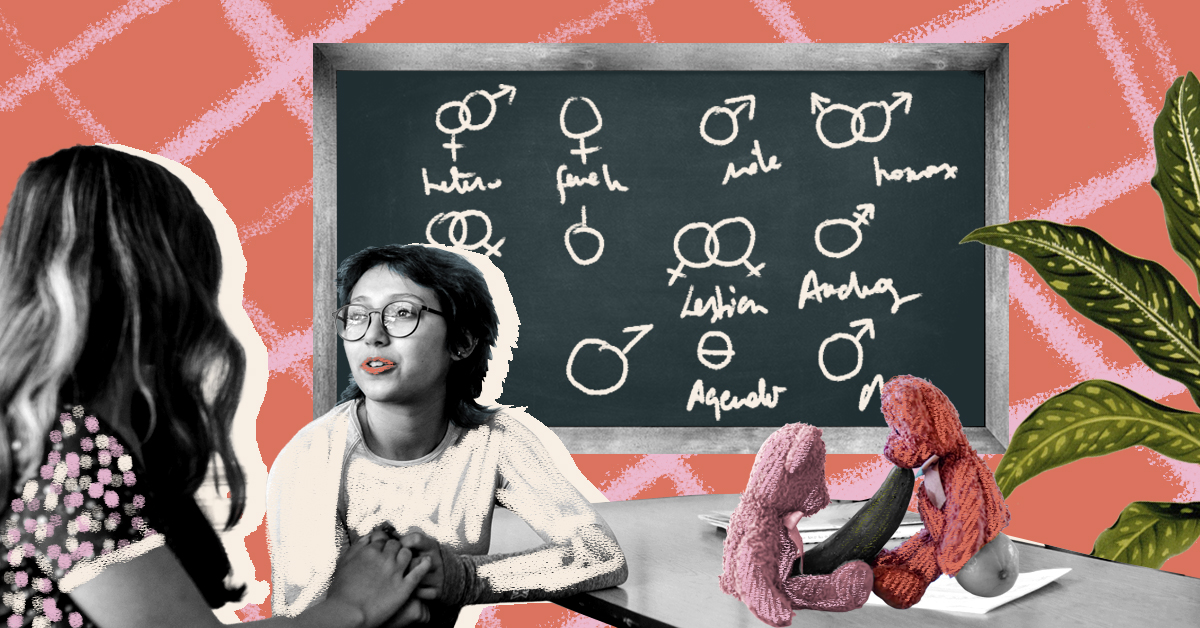
Sex education is often presented as neutral, factual, and protective.
In reality, it is deeply political.
What we are allowed to learn about our bodies, desire, pleasure, and relationships is shaped by cultural values, state power, religious influence, and economic interests. When governments, platforms, or institutions claim to regulate sex education “for safety,” the question we must ask is: safe for whom, and from what?
“Safety” as a Political Tool
Across many countries, the language of safety has become a justification for censorship. Content about pleasure, queer identities, non-normative relationships, or explicit consent is frequently restricted, while abstinence-only or fear-based narratives are framed as responsible.
This framing creates a false binary:
- Education = dangerous
- Ignorance = protection
Yet research consistently shows that comprehensive sex education leads to better health outcomes, lower rates of sexual violence, fewer unwanted pregnancies, and more informed decision-making. Restriction does not prevent sexual behaviour; it prevents understanding.
Whose Bodies Are Most Controlled?
Censorship does not affect all bodies equally.
Historically, sex education has been most restrictive around:
- Women’s pleasure
- Queer and trans identities
- Disabled bodies
- Racialised and migrant communities
When sex education excludes these experiences, it sends a clear message: some bodies are legitimate subjects of knowledge, while others are problems to be managed.
This is not accidental. Control over sexual knowledge has long been a method of social regulation — shaping who is allowed autonomy, desire, and agency.
The Platform Problem: Algorithms as Moral Gatekeepers
In the digital era, much sex education lives online. This has increased access — but it has also shifted power to private platforms.
Algorithms routinely flag educational content as “adult,” even when it is evidence-based and consent-focused. Meanwhile, misinformation, pornographic stereotypes, and coercive narratives often circulate freely because they align with dominant norms.
This creates an educational paradox:
- Explicit but ethical content is hidden
- Harmful but familiar content remains visible
Education that challenges power structures is more likely to be suppressed than content that reinforces them.
Pleasure Is Not the Enemy of Education
One of the most persistent myths in sex education is that pleasure undermines responsibility.
In reality, pleasure is a crucial educational concept. When people understand what feels good, what feels wrong, and why, they are better equipped to:
- Set boundaries
- Recognise coercion
- Communicate needs
- Respect others’ limits
Removing pleasure from education does not make sex safer — it makes people less informed about their own experiences.
Censorship Creates Knowledge Gaps — Not Innocence
When sex education is restricted, people do not stop seeking information. They simply turn to less reliable sources.
This disproportionately affects young people and marginalised communities, who may lack access to affirming healthcare or supportive environments. The result is not protection, but isolation.
Education that includes consent, communication, and pleasure equips people to make decisions with agency rather than fear.
Reclaiming Sex Education as a Public Good
Sex education should not be dictated by moral panic or political convenience. It is a public health issue, a human rights issue, and a cultural issue.
A meaningful educational framework includes:
- Consent as an ongoing process
- Desire as contextual, not compulsory
- Pleasure as informative, not indulgent
- Diversity as foundational, not optional
This approach does not tell people what to do. It gives them the tools to decide for themselves.