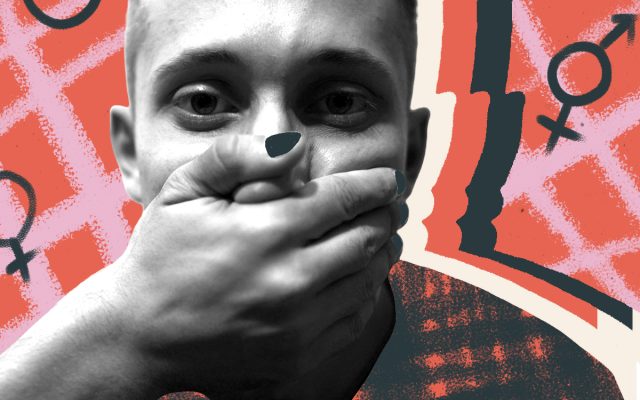
How Political Agendas Use “Safety” as a Tool for Censorship in Sex Education
In the ever-evolving landscape of education policy, the concept of “safety” often serves as both a shield and a sword in political agendas, impacting sex education and sex work discussions. This tactic has led to increased censorship, leaving educators, policymakers, and activists questioning whose safety is truly being protected. As debates intensify, it becomes evident that the freedom of speech is at risk, with political agendas dictating what is deemed safe for students and communities. The implications for social justice are profound, as marginalized voices are silenced under the guise of protecting public morals. Understanding these dynamics is essential for fostering an informed dialogue on sex education that is free from undue political influence. For more information on how online censorship affects sex workers and LGBTQ communities, visit the ACLU’s resource page. Political Agendas and Censorship
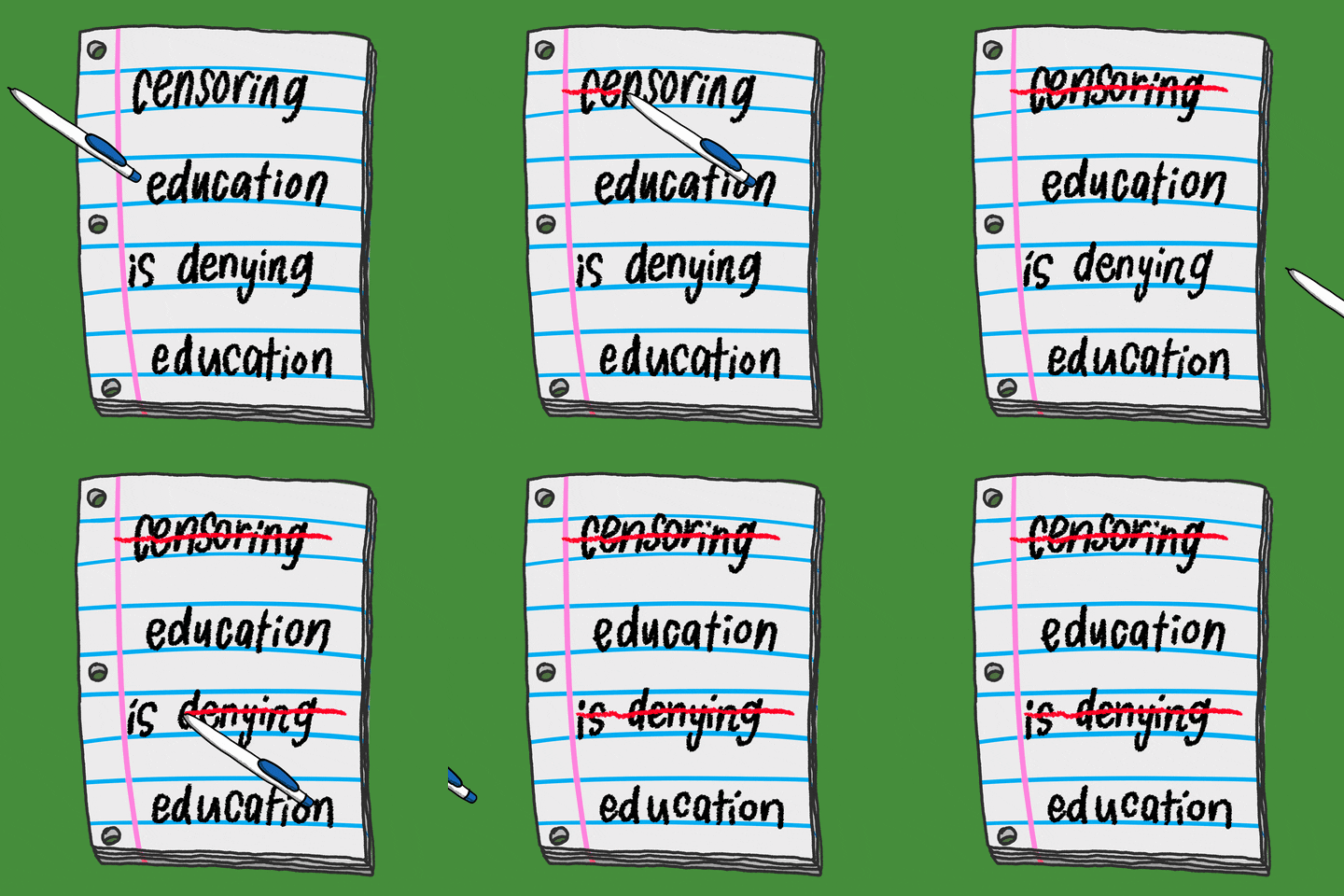
Political agendas often shape education policies, particularly in sensitive areas like sex education. This section explores how the concept of “safety” is used to justify censorship and its impact on freedom of speech in educational settings.
The “Safety” Argument in Education Policy
The “safety” argument in education policy is frequently used to justify censorship, particularly in sex education. This approach claims to protect students from harmful or inappropriate content.
Political actors often invoke safety concerns to push their agendas, limiting access to comprehensive sex education. They argue that certain information might be too explicit or encourage risky behavior.
This tactic can lead to the removal of crucial health information from curricula. For example, some policies restrict discussions about contraception or LGBTQ+ issues under the guise of protecting students.
Critics argue that such “safety” measures actually put students at risk by denying them access to accurate, comprehensive information about sexual health and relationships.
The National Women’s Law Center reports that school censorship often promotes sex discrimination, highlighting the need for balanced, inclusive sex education policies.
Impact on Sex Education and Freedom of Speech
The impact of censorship on sex education and freedom of speech is significant, affecting students’ access to crucial information and educators’ ability to teach effectively.
Restrictive policies can lead to incomplete or inaccurate sex education, leaving students ill-prepared for real-life situations. This gap in knowledge can result in higher rates of unintended pregnancies and sexually transmitted infections.
Freedom of speech in educational settings is compromised when teachers are unable to address important topics openly. This limitation can create an atmosphere of fear and self-censorship among educators.
Students’ right to information is also infringed upon, potentially violating their First Amendment rights. This censorship can extend beyond the classroom, affecting school libraries and extracurricular activities.
Planned Parenthood provides resources on sex education laws and state-level attacks, illustrating the ongoing challenges to comprehensive sex education.
Sex Work in the Context of Censorship

Sex work is another area where political agendas often intersect with censorship efforts. This section examines how these agendas target sex work and the implications for social justice and access to information.
Political Agendas Targeting Sex Work
Political agendas targeting sex work often use censorship as a tool to control and limit information about the industry. This approach can have far-reaching consequences for sex workers and society at large.
Censorship efforts frequently focus on online platforms, attempting to restrict sex workers’ ability to advertise or communicate safely. These actions are often justified under the guise of combating trafficking or protecting public morals.
However, critics argue that such censorship actually makes sex work more dangerous by pushing it underground. It can limit sex workers’ access to health information, safety resources, and community support networks.
Some political agendas aim to conflate all sex work with trafficking, leading to overly broad legislation that harms consensual adult sex workers. This approach can result in the silencing of sex workers’ voices in policy discussions that directly affect them.
The Woodhull Freedom Foundation offers insights into how censorship impacts sexual freedom and human rights, including those of sex workers.
Social Justice and the Right to Information
The intersection of social justice and the right to information is crucial when considering censorship in the context of sex work and sex education.
Access to accurate information about sex work and sexual health is a matter of social justice. Censorship disproportionately affects marginalized communities, including sex workers, LGBTQ+ individuals, and people of color.
Restricting information can perpetuate stigma and discrimination against sex workers, making it harder for them to access healthcare, legal support, and other essential services. This limitation can exacerbate existing social inequalities.
The right to information is fundamental to informed decision-making and personal autonomy. When it comes to sex work and sexual health, censorship can deny individuals the knowledge they need to make safe and informed choices.
Prism Reports provides valuable insights into how legislation and online censorship affect sex workers, highlighting the complex relationship between policy, information access, and social justice.
By Anarella Martinez Madrid