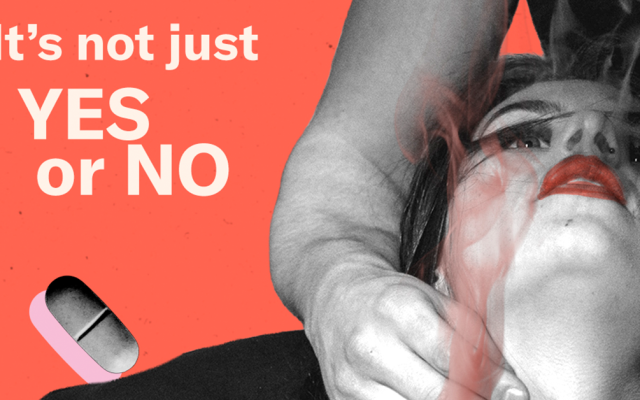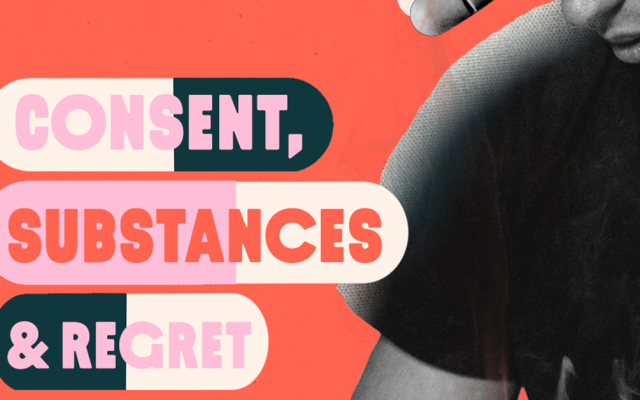
Desire Is Not a Drive: How Culture, Stress, and Power Shape Libido

Libido is often described as a biological drive — something we either “have” or “lose.”
This framing is simple, intuitive, and deeply misleading.
Desire does not live only in the body. It lives in context.
Stress, safety, social expectations, economic pressure, mental health, and cultural messaging all shape how desire appears, disappears, or transforms across a lifetime. When libido is treated as a personal malfunction instead of a relational and social signal, people are left blaming themselves rather than understanding what their bodies are responding to.
Libido Responds to Conditions, Not Demands
Research consistently shows that chronic stress suppresses sexual desire. When the nervous system is prioritising survival — financial insecurity, discrimination, burnout, caregiving overload — pleasure becomes secondary.
This is especially visible among women and gender-diverse people, who disproportionately carry emotional and reproductive labour. Desire doesn’t vanish because something is “wrong”; it retreats because conditions are unsafe, overwhelming, or depleting.
This reframes low desire not as failure, but as communication.
The Myth of “Normal” Libido
What we call “normal libido” is often based on narrow, heterosexual, male-centred models of sexuality. These models privilege spontaneous desire — desire that appears suddenly and demands release — while ignoring responsive desire, which emerges through safety, connection, and context.
Many people experience desire after intimacy begins, not before. When education only validates one model, countless people are misdiagnosed as “low libido” when they are simply responding differently.
Power and Desire:
Desire is also shaped by power dynamics.
When one partner’s desire is prioritised over another’s comfort, libido becomes performance. When consent feels obligatory, desire collapses. When someone is expected to be available rather than willing, the body learns to disconnect.
This is why conversations about libido cannot be separated from conversations about consent, communication, and agency.
Desire as a Moving Landscape
Libido changes across life stages — postpartum, menopause, illness, grief, transition, aging. Cultures that idealise constant availability leave little room for these shifts, framing them as problems to fix rather than realities to accommodate.
Education helps people ask better questions:
- What does my body need right now?
- What conditions support my desire?
- What pressures are shutting it down?
Desire does not need to be fixed.
It needs to be understood.
Learning to Listen Instead of Push
When libido is approached with curiosity instead of urgency, intimacy becomes more sustainable. This includes learning how to talk about desire without shame, coercion, or comparison.
Desire grows where there is space.
And space is created through care.